Semiconductor precious metals: key material power supporting the chip chain
Keywords: semiconductors, precious metals, chip manufacturing, gold, palladium, platinum, silver, supply chain, safety stock
Introduction
Against the backdrop of accelerated global semiconductor industry evolution, market focus often centers on advanced processes, AI chips, and computing platforms. However, supporting these technologies requires not only equipment, processes, and capital but also a class of materials easily overlooked yet critical: precious metals. Semiconductor precious metals are not only functional materials in chip manufacturing but also key factors improving product performance, yield, and reliability. With wafer fab expansion, advanced packaging adoption, and high-end electronics demand growth, the strategic value of precious metals in the semiconductor chain is continuously rising.
1. Why semiconductor precious metals matter
Semiconductor manufacturing demands extremely high material purity. Precious metals, due to their excellent conductivity, corrosion resistance, thermal stability, and chemical inertness, are widely used in electrodes, bond wires, contact layers, packaging interconnections, and testing. Compared to ordinary metals, precious metals maintain stability in high temperature, high pressure, and complex chemical environments, thus ensuring long-term device reliability.
Among them, gold is used for bond wires and high-reliability connections in chip packaging; silver, due to superior conductivity, has a place in conductive pastes, contact materials, and some electronic components; platinum, palladium, ruthenium, etc., are more used in catalysis, resistor materials, and special thin-film deposition. Although the amount of precious metal per chip is small, the total demand scale is still considerable against continuous global chip shipment expansion.
2. Application scenarios in the chain
Applications of semiconductor precious metals are not limited to a single process but run through design, manufacturing, packaging, and testing.
1. Wafer manufacturing stage
After processes like lithography, etching, deposition, and ion implantation, some metal layers require extremely high stability and conductivity. Precious metal thin films can serve as electrode materials or functional layers, improving device performance and reducing failure rates.
2. Packaging and interconnection stage
With rapid development of advanced packaging and high-density interconnection, material performance requirements further increase. Use of precious metals in bonding, soldering, and contact points helps enhance connection reliability and supports signal transmission in high-frequency, high-speed chips.
3. Testing and high-reliability applications
In high-reliability scenarios like automotive electronics, industrial control, aerospace, and medical devices, precious metal materials effectively resist oxidation and thermal fatigue, thus widely used in high-end chips and special electronic devices.
3. Supply-demand dynamics and price transmission
The semiconductor precious metal market has a distinct low-consumption, high-sensitivity characteristic. On one hand, per-product usage is small; on the other, the global supply chain is highly dependent on a few resource-rich countries and smelters, vulnerable to geopolitical, mining, environmental policy, and logistics disruptions. For wafer fabs, precious metal price volatility transmits to cost through raw material procurement, inventory management, and contract pricing. While not necessarily directly determining final chip prices, it affects gross margins and supply chain security.
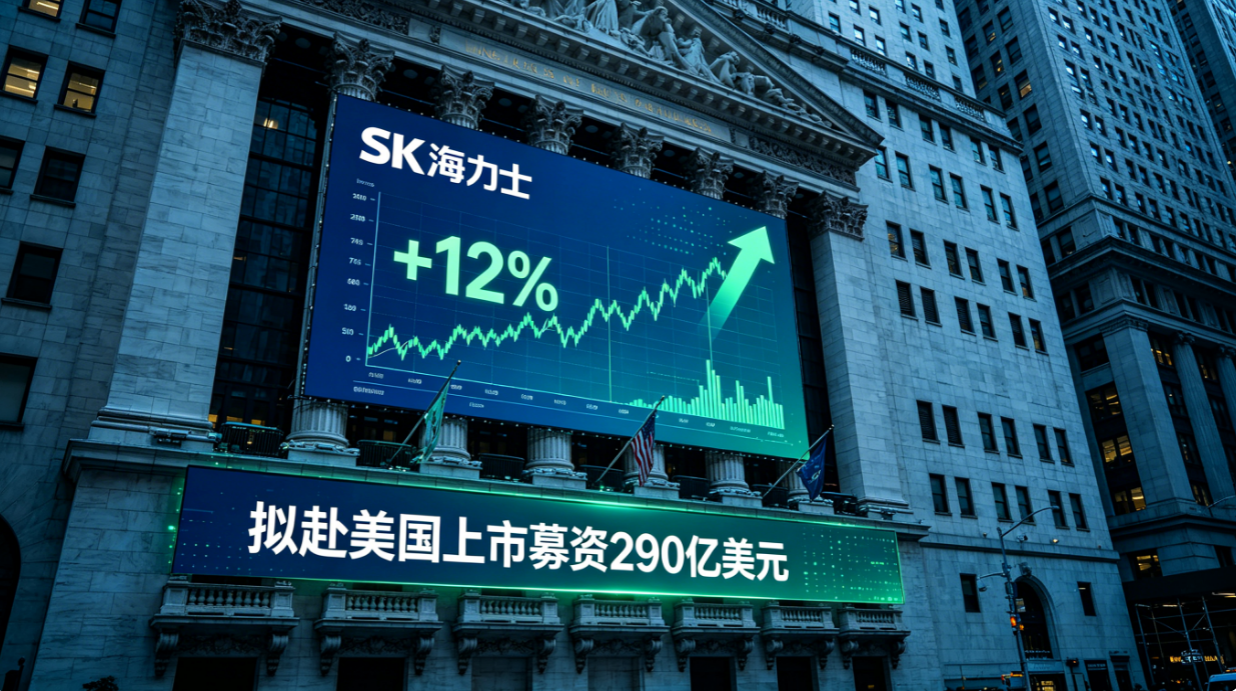
Especially as demand for AI servers, advanced memory, and high-end communication chips rises, semiconductor companies tend to build more robust material inventory systems to reduce price volatility and supply interruption risks. Capital markets thus pay more attention to companies' capabilities in raw material security and capacity layout. The capital trends in the image presented reflect the strong correlation between semiconductor chain expansion and capital allocation.
4. Future trends: substitution, recycling, and localization
Future development of semiconductor precious metals will show three major trends. First, material substitution will continue. To lower costs and improve process compatibility, some steps will gradually adopt copper, aluminum, and composite materials to replace some precious metal applications, but in high-reliability fields, precious metals remain irreplaceable. Second, resource recycling systems will gain more attention. With e-waste volume growth, recovering precious metals from scrap chips and packaging materials not only helps reduce costs but aligns with green manufacturing. Third, supply chain localization and diversification will become key. Whether precious metal purification, sputtering targets, high-purity chemicals, or packaging materials, improving domestic supporting capabilities will enhance industrial security.
Conclusion
Overall, semiconductor precious metals, while not the most dazzling protagonists of the industry, are an important cornerstone supporting chip performance, reliability, and mass production. Amid continuous advancement of advanced processes, rapid iteration of packaging technology, and global supply chain restructuring, the strategic significance of precious metals is steadily increasing. For semiconductor companies, only by forming synergy between technological innovation, material management, and supply security can they maintain long-term advantages in fierce competition. In the future, those who better grasp the value chain of precious metal materials will be more likely to seize the opportunity in the new semiconductor cycle.